
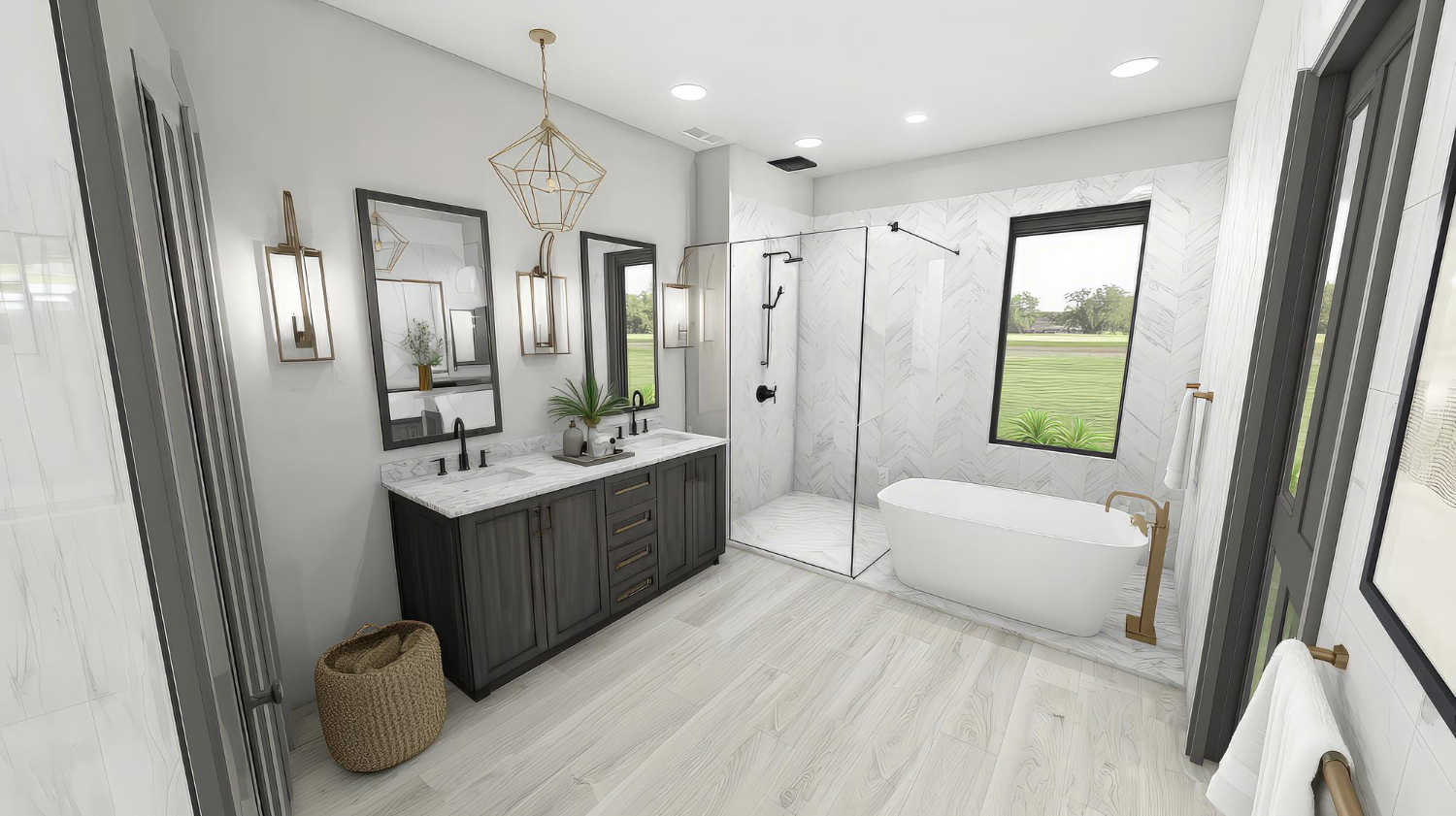
A smart bathroom remodel starts long before demo day. A clear scope, realistic budget, and an ordered timeline reduce stress, limit surprises, and keep the project on schedule. Use this guide to make decisions confidently, coordinate with trades, and move from inspiration to a finished, functional bathroom.
Set the scope and goals (1–2 weeks)
Decide what you want the remodel to achieve. Are you updating finishes, improving storage, reconfiguring the layout, or preparing the home for resale? Define:
– Must-haves (e.g., curb-less shower, double vanity)
– Nice-to-haves (e.g., heated floors, designer tile)
– Deal-breakers (items you’ll never allow)
Documenting priorities early keeps decisions focused and helps your contractor provide an accurate estimate.
Decide what you want the remodel to achieve. Are you updating finishes, improving storage, reconfiguring the layout, or preparing the home for resale? Define:
– Must-haves (e.g., curb-less shower, double vanity)
– Nice-to-haves (e.g., heated floors, designer tile)
– Deal-breakers (items you’ll never allow)
Documenting priorities early keeps decisions focused and helps your contractor provide an accurate estimate.
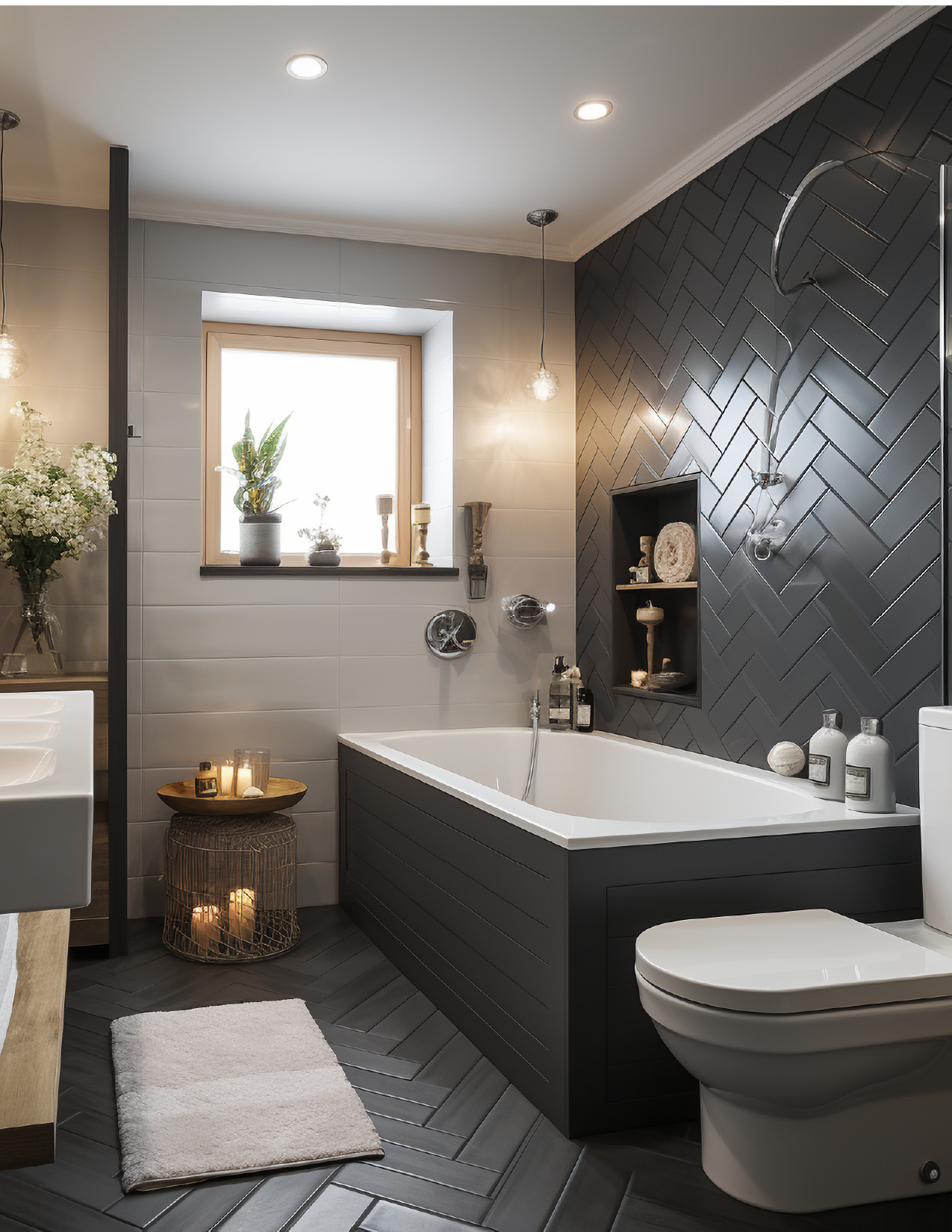
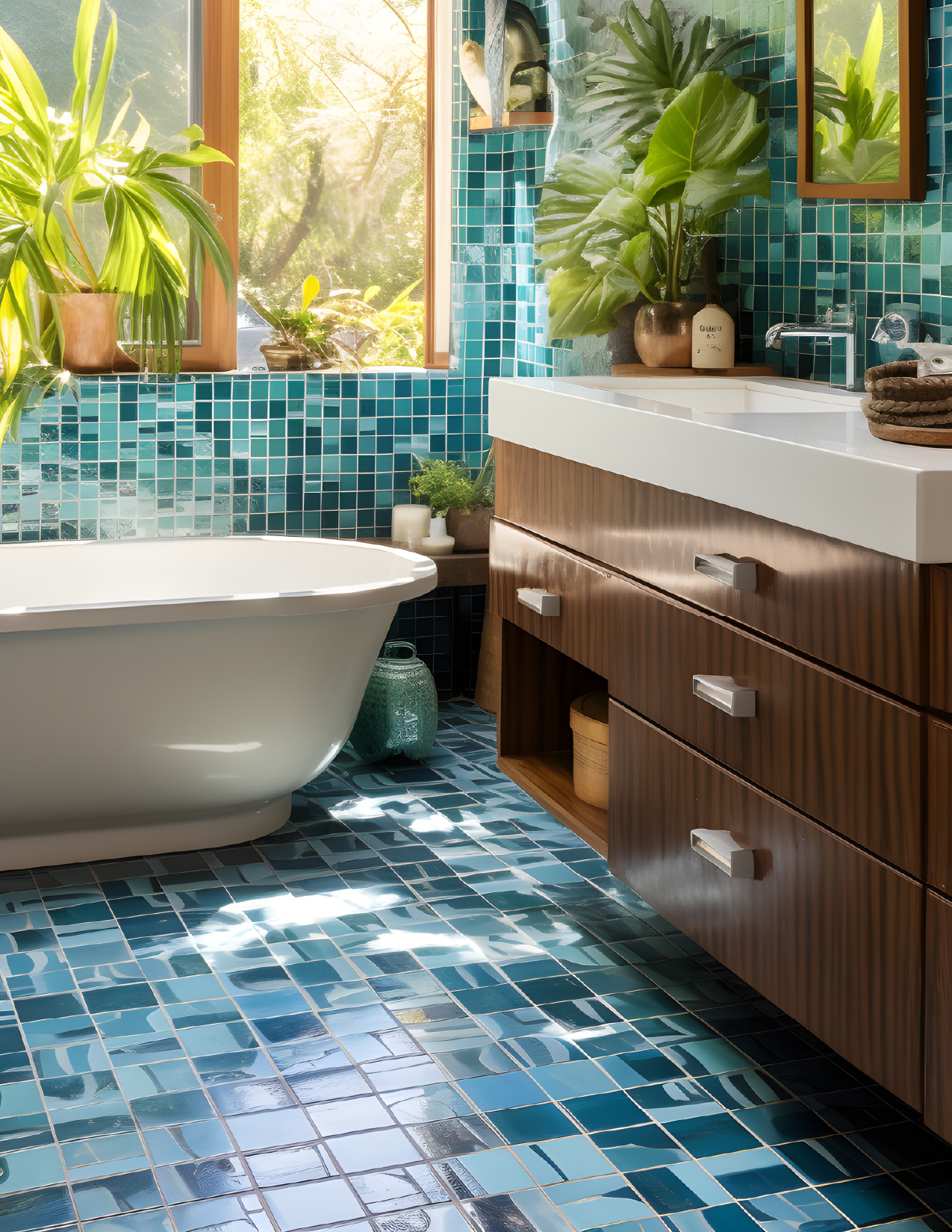
Establish your budget (1 week)
Allocate funds before you select fixtures. A typical cost breakdown for a full remodel:
– Labor: 35–50%
– Cabinets/vanity & countertops: 15–25%
– Plumbing fixtures: 10–15%
– Tile & flooring: 10–15%
– Electrical/lighting/ventilation: 5–10%
– Permits, design fees, contingency: 5–10%
Always add a 10–20% contingency for hidden conditions (rot, outdated wiring, plumbing surprises). Decide how you’ll pay—savings, loan, or contractor financing—so you can commit when bids are in.
Design and material selections (2–4 weeks)
Measure and photograph the existing space, noting plumbing/electrical locations. Work with a designer or contractor to finalize layout and pick finishes:
– Order long-lead items first (custom cabinets, specialty tile, mirrors).
– Choose finishes that balance personal style and resale appeal—neutral, durable, and easy to maintain.
– Keep samples on-site to check light, scale, and color.
Outcome: a finalized plan, itemized materials list, and a fixed estimate.
Permits and approvals (1–4 weeks)
Determine which changes require permits (plumbing, electrical, structural). A complete permit application avoids delays—your contractor can usually handle submissions. Schedule inspections early in the timeline and factor inspection windows into your plan.
Hiring contractors and trades (1–3 weeks)
Get at least three bids for the scope you designed. When vetting contractors:
– Verify licenses, insurance, and local references.
– Ask for a sample contract with payment schedule and clear change-order terms.
– Confirm who coordinates inspections and handles punch-list items.
Choose a general contractor if you want a single point of contact; a GC will schedule trades, manage inspections, and resolve on-site issues.
Typical construction timeline for a full remodel (4–8 weeks)
Timelines vary by job complexity, but a common sequence is:
– Pre-construction prep (1–3 days): protect floors, set up temporary bathroom access.
– Demolition (1–3 days): remove fixtures, tile, and cabinetry.
– Rough plumbing & electrical (3–7 days): reposition pipes and wiring; schedule rough-in inspections.
– Inspections (varies): often required after rough-ins.
– Wall repair / cement backer installation (2–5 days).
– Flooring and tile installation (2–10 days): allow for mortar and grout curing times.
– Painting and trim (2–4 days).
– Final fixture installation and finishing touches (1–3 days).
– Final inspection and punch list (1–3 days).
Smaller projects (cosmetic updates) can often finish in 1–2 weeks.
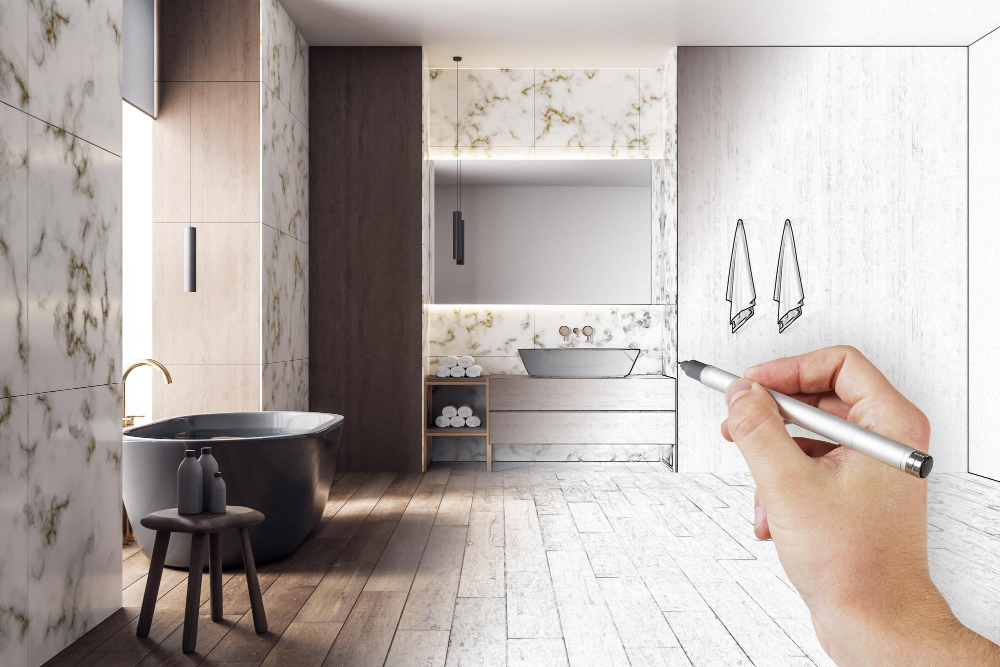
Practical checklists
Pre-construction checklist
– Confirm goals, budget, and contingency.
– Measure and photograph the room; note plumbing and electrical.
– Finalize layout, materials list, and renderings.
– Order long-lead items and confirm delivery dates.
– Obtain permits or confirm contractor will obtain them.
– Sign contract with timeline and payment milestones.
– Arrange temporary bathroom plan for your household.
During construction checklist
Maintain regular check-ins (daily for major projects, weekly otherwise).
– Inspect deliveries on arrival; report damage immediately.
– Approve changes in writing; track all change orders and costs.
– Protect adjacent rooms from dust and debris.
– Take progress photos for records and warranties.
Closeout checklist
– Walk through with contractor and create the final punch list.
– Verify final inspections and any required certificates.
– Collect warranties, manuals, and care instructions for all products.
– Make final payment only after punch list completion.
– Schedule a 30–90 day follow-up to resolve settling issues.
Common delays and how to avoid them
– Long lead times: Order custom products early and have backup options ready.
– Hidden damage: Budget contingency and be prepared to decide quickly if structural fixes are needed.
– Permit or inspection hold-ups: Submit complete applications and book inspections early.
– Scheduling conflicts with subs: Confirm commitments in writing and include timeline clauses in your contract.
ROI and resale tips
Mid-range remodels usually deliver the best return. Focus on neutral colors, quality fixtures, good lighting, improved storage, and a functional layout. Avoid overly trendy, permanent decisions that may limit future buyers.
Final tips
Keep decisions simple and prioritized—delays and cost overruns often come from late changes. Maintain open communication with your contractor, inspect work at key stages, and don’t pay the final invoice until the punch list is completed. With thoughtful planning and the right team, your bathroom remodel can be smooth, timely, and well worth the investment.
Ready to move forward? Download our printable one-page checklist, or contact a vetted local contractor from our directory for a free on-site estimate.