
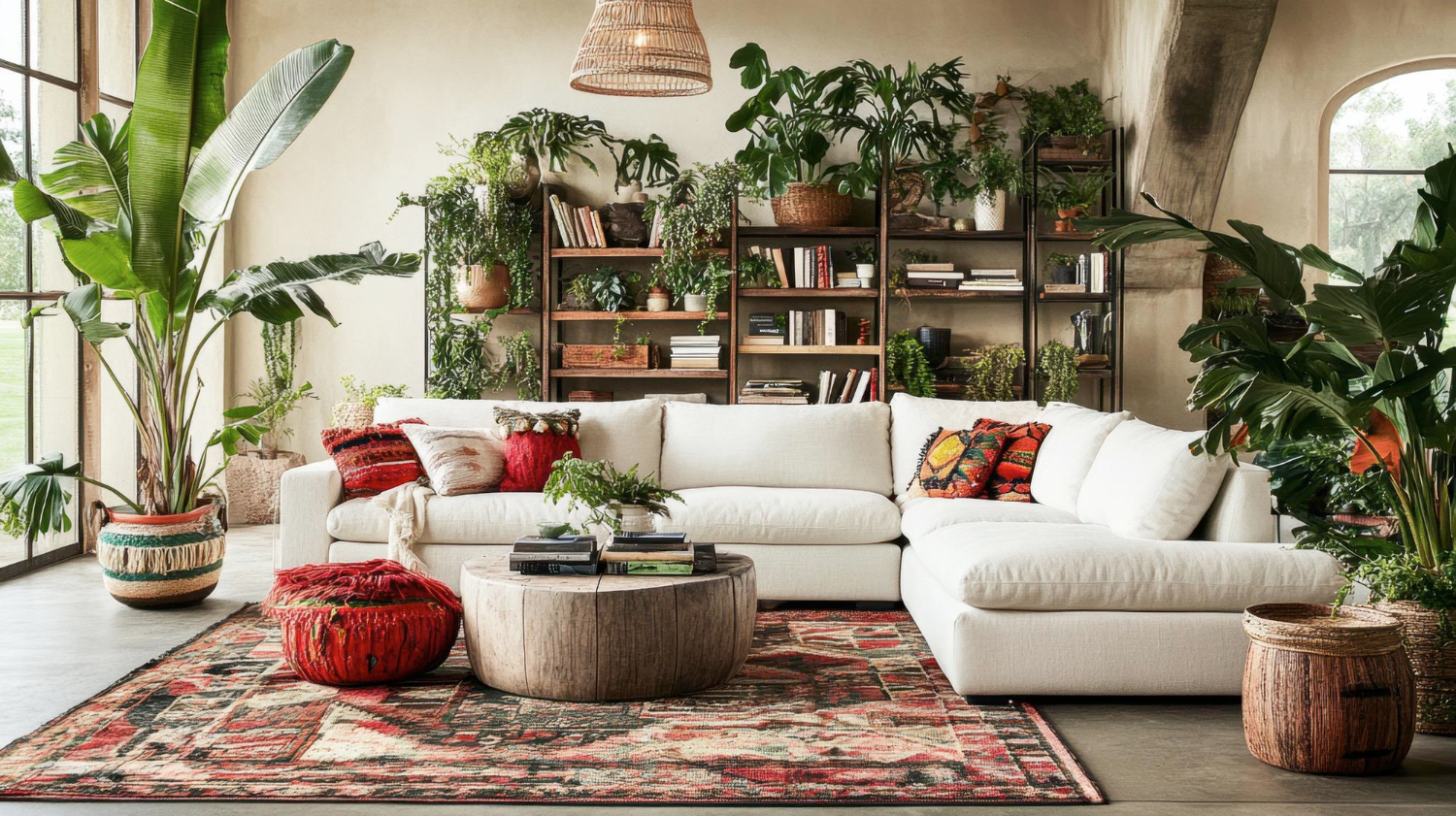
Homes in 2026 are becoming more livable, adaptable, and health-focused. Designers are blending practical solutions with comforting materials and smarter systems so everyday people can enjoy spaces that work harder and feel better. Whether you’re planning a small update or a bigger remodel, here are ten trends designers expect to shape home interiors in 2026 — plus straightforward tips for homeowners.
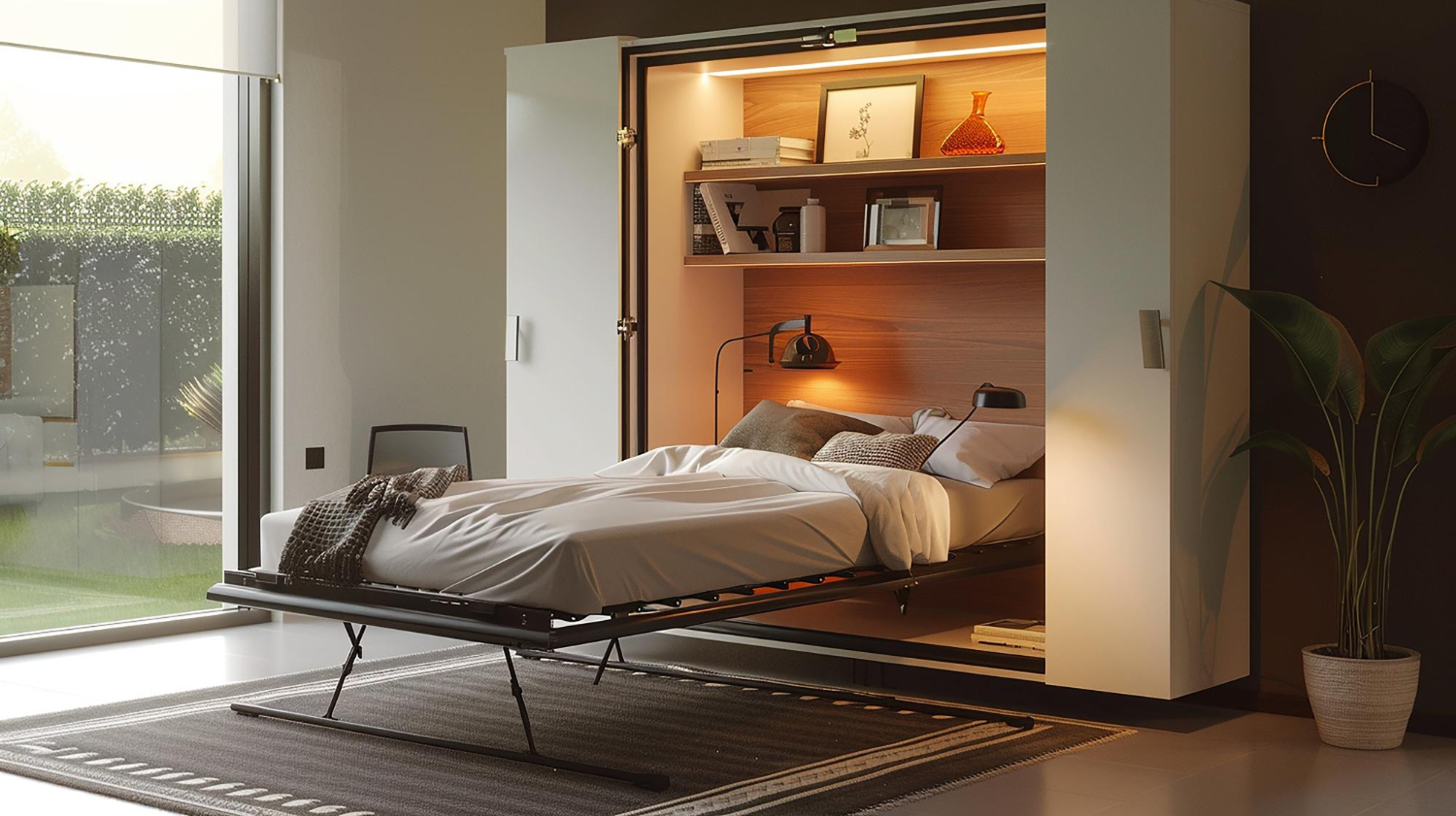
1. Flexible, Multi‑Use Rooms
Why it matters: Daily routines keep changing — work-from-home days, school, hobbies, and guests — so rooms need to do more.
How it looks: Fold‑away furniture, sliding or pocket doors, window nooks that double as workstations, and furniture on casters for quick reconfiguration.
Practical tip: Add extra outlets and a central Wi‑Fi extender so any room can become a workspace.
2. More Nature Indoors (Biophilic Design)
Why it matters: Natural light and plants improve mood and indoor air quality.
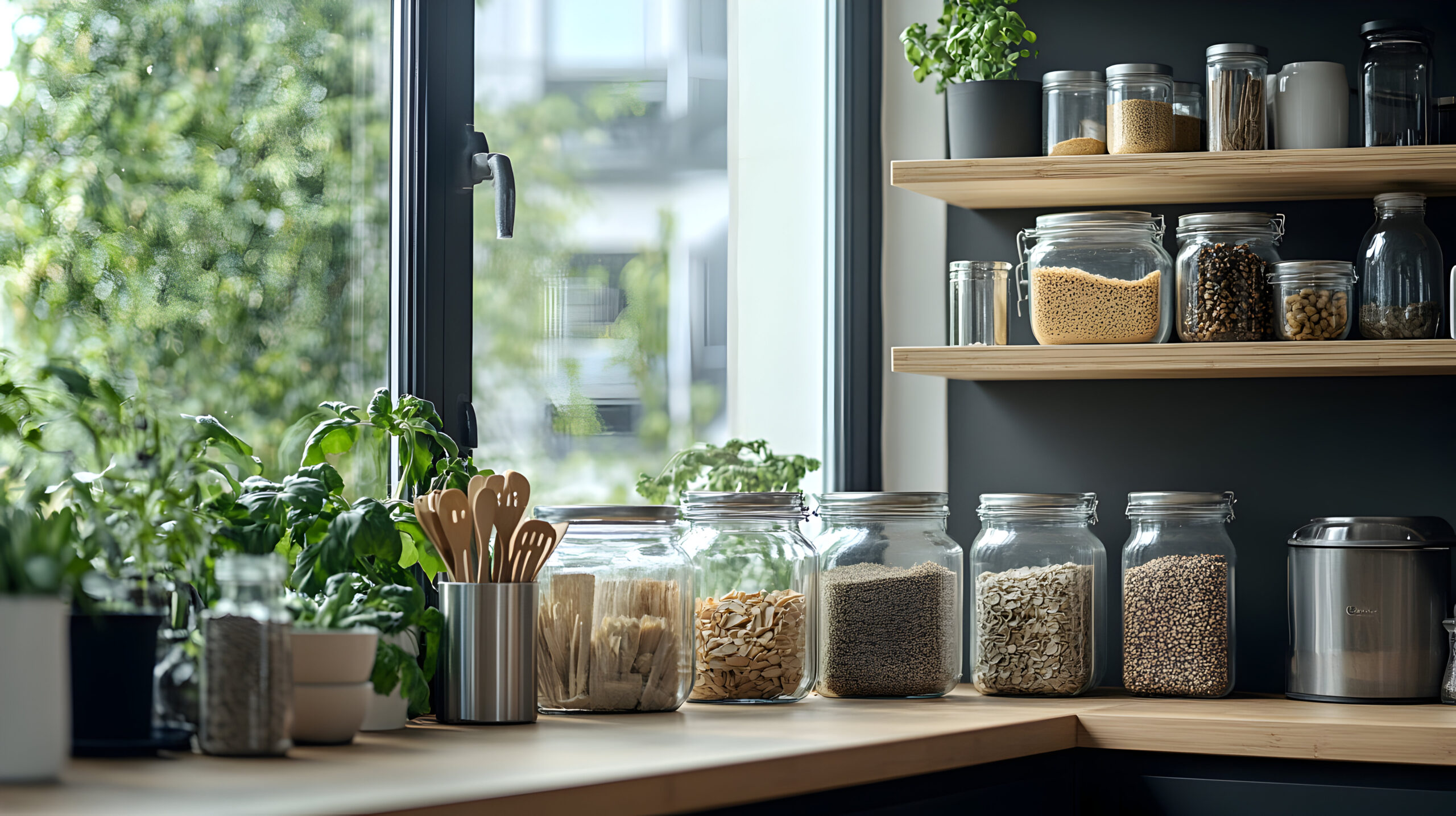
How it looks: Larger windows when possible, houseplants, potted herbs in kitchens, and natural finishes like cork or wood-look tiles.
Practical tip: Start small — a sunny corner with a few low-maintenance plants (snake plant, pothos) makes a big difference.
3. Texture Over Shiny Minimalism
Why it matters: Cozy, tactile materials make homes feel welcoming.
How it looks: Soft upholstery, woven rugs, textured paint or plaster, and matte finishes instead of glossy surfaces.
Practical tip: Test textiles and finishes at home — touch and view samples in different lights.
4. Smarter Material Choices
Why it matters: Durable, low‑maintenance materials save money and headaches over time.
How it looks: Recycled-content countertops, low‑VOC paints, durable floor options (vinyl plank, porcelain tile), and second‑hand furniture refreshed with new upholstery.
Practical tip: Choose durable surfaces for high-traffic areas and reserve trendy finishes for easy-to-change decor.
5. Wellness-Focused Basics
Why it matters: Good air, light, and quietness are the foundation of a comfortable home.
How it looks: Improved ventilation (simple exhaust fans or HRV systems in tighter homes), layered lighting, and soft acoustic treatments like rugs and curtains.
Practical tip: Replace old bathroom fans with quieter, higher-capacity models and add dimmers to major light circuits.
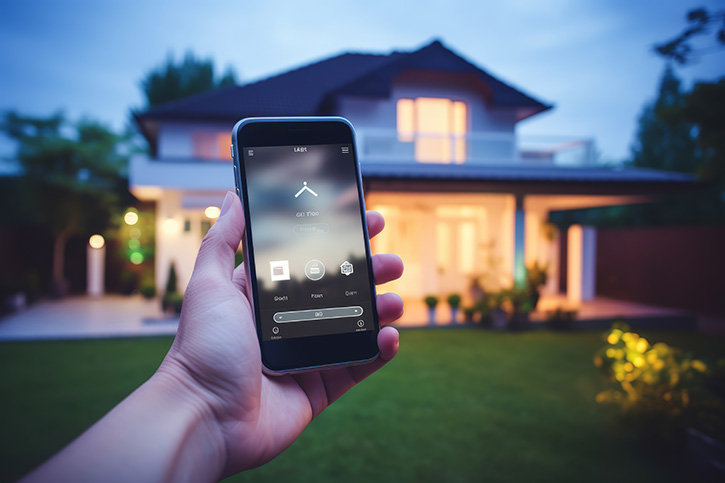
6. Subtle, Useful Technology
Why it matters: Technology should help, not complicate everyday life.
How it looks: Smart thermostats, simple air-quality monitors, motion-sensor lighting in closets, and easy-to-use smart plugs.
Practical tip: Pick devices with good reviews and open ecosystems so they work with future upgrades.
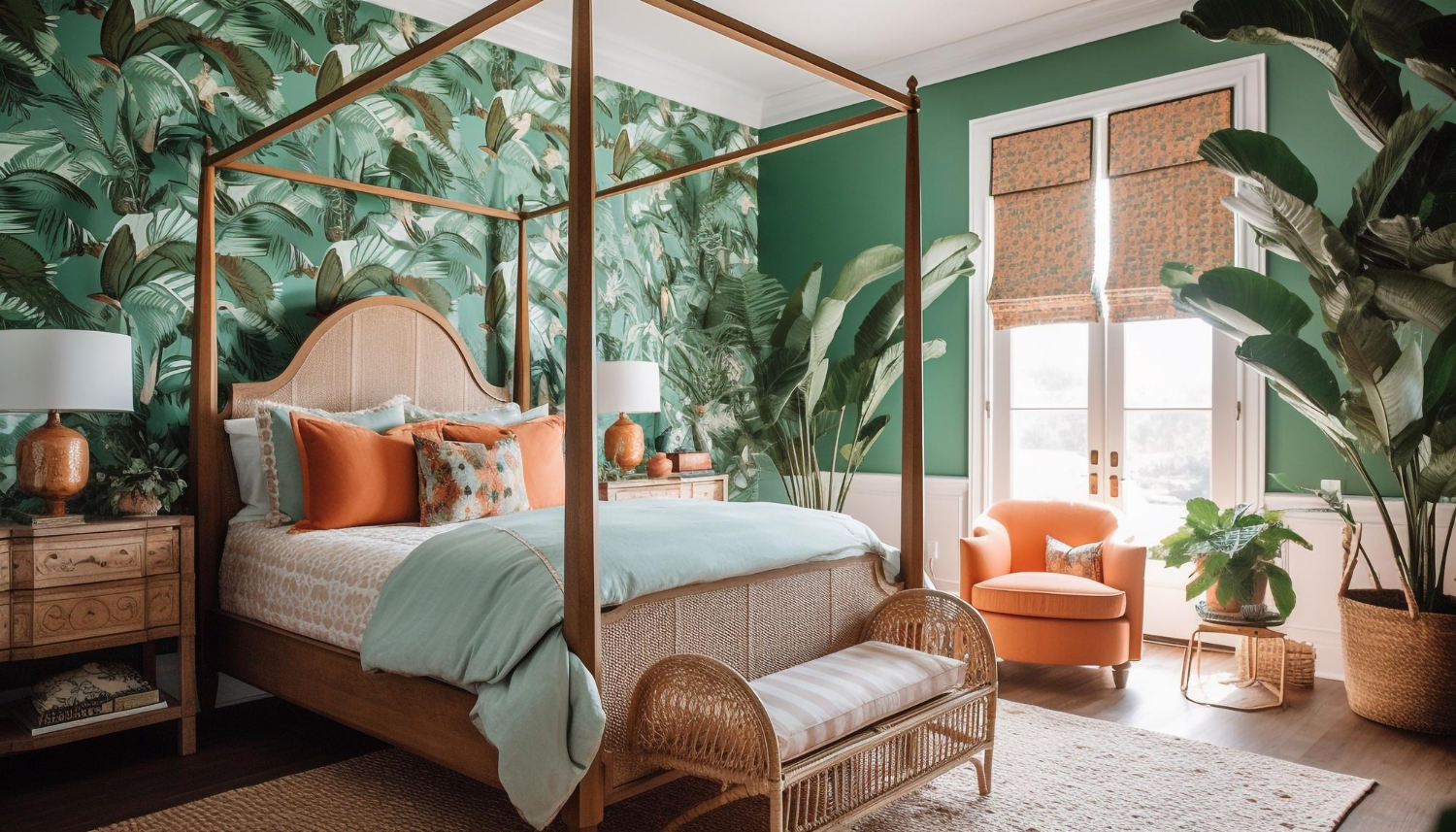
7. Personal, Curated Style
Why it matters: Homes should reflect the people who live there, not just a design trend.
How it looks: A mix of thrifted finds, family pieces, a bold wallpaper or an accent wall, and intentional display of meaningful items.
Practical tip: Start with one focal wall or corner you love and gradually add pieces that tell your story.
8. Warmer, Soothing Palettes
Why it looks: Soft warm neutrals (beige, warm greys, soft clay) paired with deeper accents (olive, navy, charcoal) create calm and longevity.
Practical tip: Paint larger rooms in neutral tones and add color through accessories that are easy to replace.
9. Small-Space Smartness
Why it matters: Many homeowners need to do more with less space.
How it looks: Built-in storage, dual‑purpose furniture, compact laundry setups, and clever kitchen storage solutions.
Practical tip: Hire a carpenter or use modular storage systems to maximize every inch.
10. Invest in the Bones
Why it matters: Structural and systems upgrades pay off in comfort and resale.
How it looks: Improved insulation, updated electrical for modern loads, roof and window upgrades, and efficient HVAC units.
Practical tip: Prioritize insulation, a reliable HVAC service, and modernizing electrical panels as part of any major remodel.
Quick Remodeling Checklist for Homeowners
• Start with systems: electrical, plumbing, insulation, and HVAC.
• Budget buffer: plan for 10–20% contingency.
• Sample materials in your home light before committing.
• Choose durable surfaces for kitchens and entryways.
• Consider phased updates to spread cost and disruption.
2026 design trends aren’t just pretty — they’re practical. Expect homes that are more flexible, healthier, and more comfortable without needing excessive spending. Small changes like improving ventilation, adding flexible furniture, and choosing durable materials will deliver big everyday benefits.